
How Malaria Prevention Works: A Guide for World Malaria Day
This World Malaria Day, learn why malaria is both deadly—and preventable—and how the most effective interventions are making a measurable difference.
What Is Malaria—and Why Does It Still Matter?
Malaria is a mosquito-borne disease that disproportionately affects children under five in sub-Saharan Africa.
Despite major progress over the last two decades, malaria still causes hundreds of thousands of deaths each year. According to the World Malaria Report published by the World Health Organization (WHO), in 2024, there were an estimated 282 million cases and 610,000 deaths—a slight increase from 2023. The tragedy is that many of these deaths are preventable with relatively simple, low-cost interventions.
Understanding what works is key to continuing that progress.
How Malaria Prevention Works
Malaria prevention focuses on stopping transmission before infection occurs. The most effective strategies are practical, scalable, and backed by strong scientific evidence.
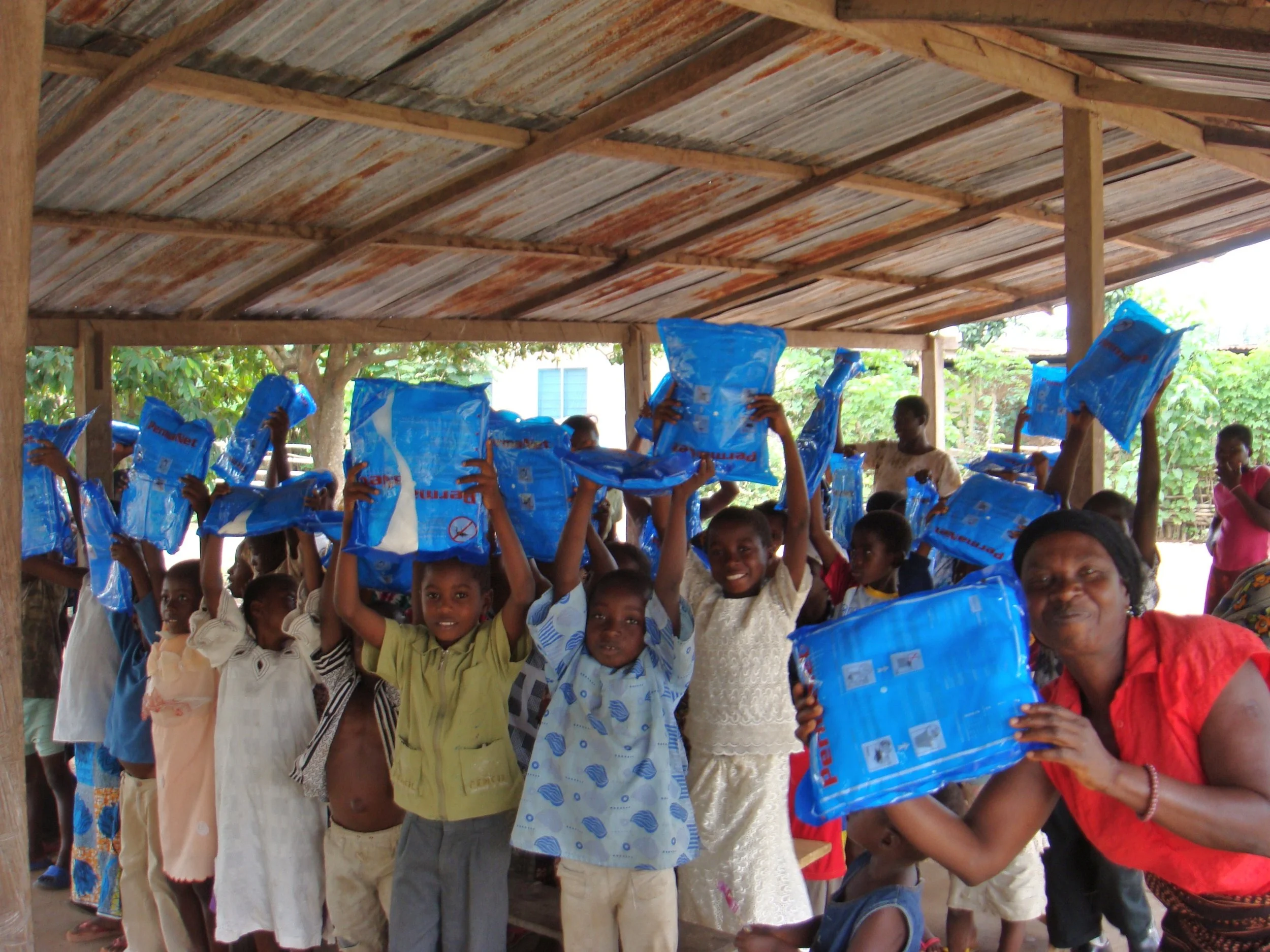
INSECTICIDE-TREATED BED NETS
The Against Malaria Foundation supports the distribution of long-lasting insecticide-treated nets (LLINs).
Why they’re effective:
Provide a physical barrier against mosquitoes at night
Kill or repel mosquitoes on contact
Protect entire households and communities
Bed nets are widely considered one of the most cost-effective health interventions in the world.
Photo credit: The Against Malaria Foundation
Photo credit: Malaria Consortium
SEASONAL MALARIA CHEMOPREVENTION
Malaria Consortium implements seasonal malaria chemoprevention (SMC) programs.
How it works:
Children receive preventive antimalarial medication during high-risk months
Reduces the likelihood of infection during peak transmission seasons
Why it matters:
This approach is especially impactful in regions where malaria transmission is highly seasonal and predictable.
Why Effectiveness Matters
Not all charitable interventions have the same impact.
At One for the World, we focus on effective giving—supporting programs that:
Are backed by rigorous evidence
Deliver measurable outcomes
Maximize impact per dollar
Organizations like The Against Malaria Foundation and Malaria Consortium are consistently recommended by evaluators such as GiveWell for their transparency and cost-effectiveness.
That means donations to these programs can go significantly further in saving lives.
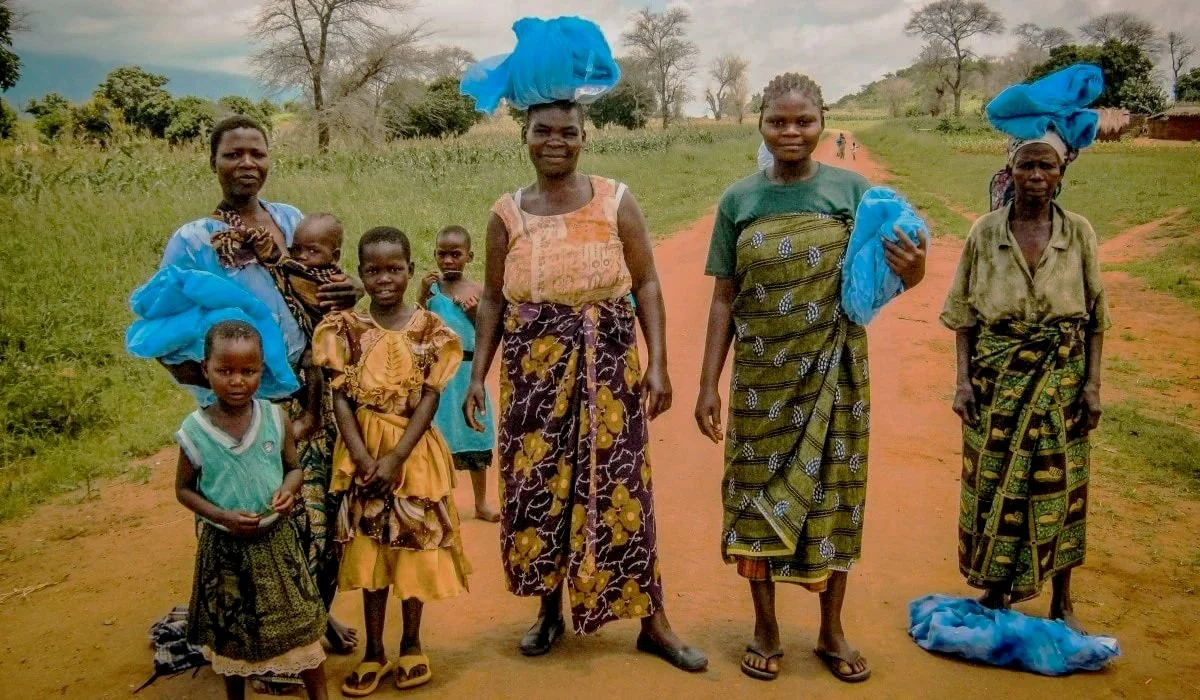
Photo credit: The Against Malaria Foundation
The Scale of Impact
Malaria prevention doesn’t just help individuals—it strengthens entire communities.
Effective programs can:
Reduce child mortality rates
Improve school attendance
Support long-term economic development
Because these interventions are both low-cost and highly scalable, even modest funding can translate into meaningful, widespread impact.
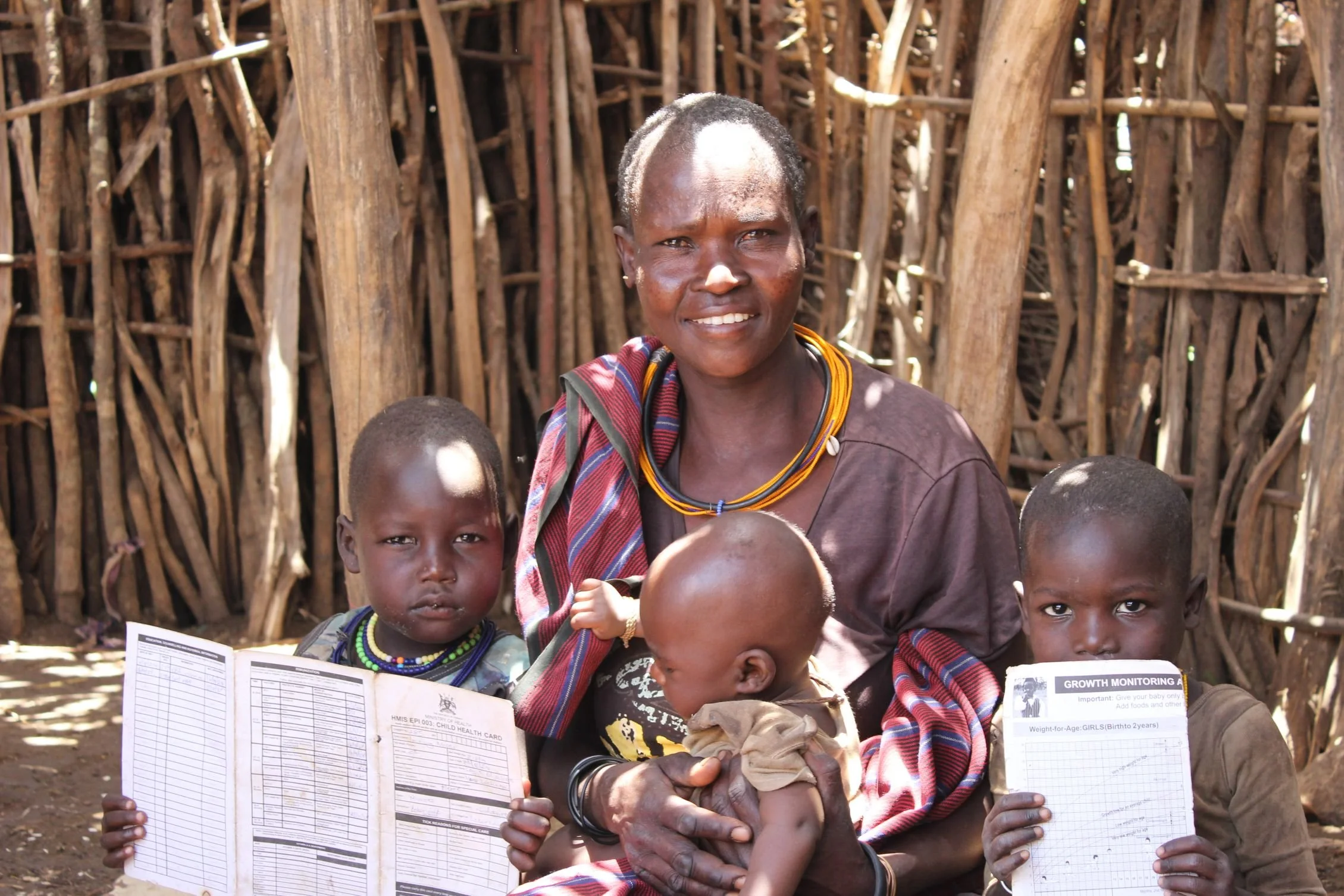
Photo credit: Malaria Consortium, Akide and her children
What This Means for World Malaria Day
World Malaria Day is an opportunity not just to raise awareness—but to highlight what’s working.
We already have the tools to prevent many malaria deaths. The challenge is ensuring those tools reach the people who need them most.
How You Can Support Effective Malaria Prevention
Make a One-Time Donation
Support the organizations who are doing the most to prevent malaria and save lives.
Commit to donating 1% of your income to the world’s most effective nonprofits, including top malaria prevention programs.
Take the 1% Pledge
A Smarter Way to Give
Malaria is preventable. The solutions are proven. And the impact is measurable.
This World Malaria Day, take a moment to learn—and, if you choose, support the interventions that are saving lives every day.